
From Paletz Law: The State of the National Business of Rental Property Owners – Part One
June 11th, 2026 | By: Mark Gilman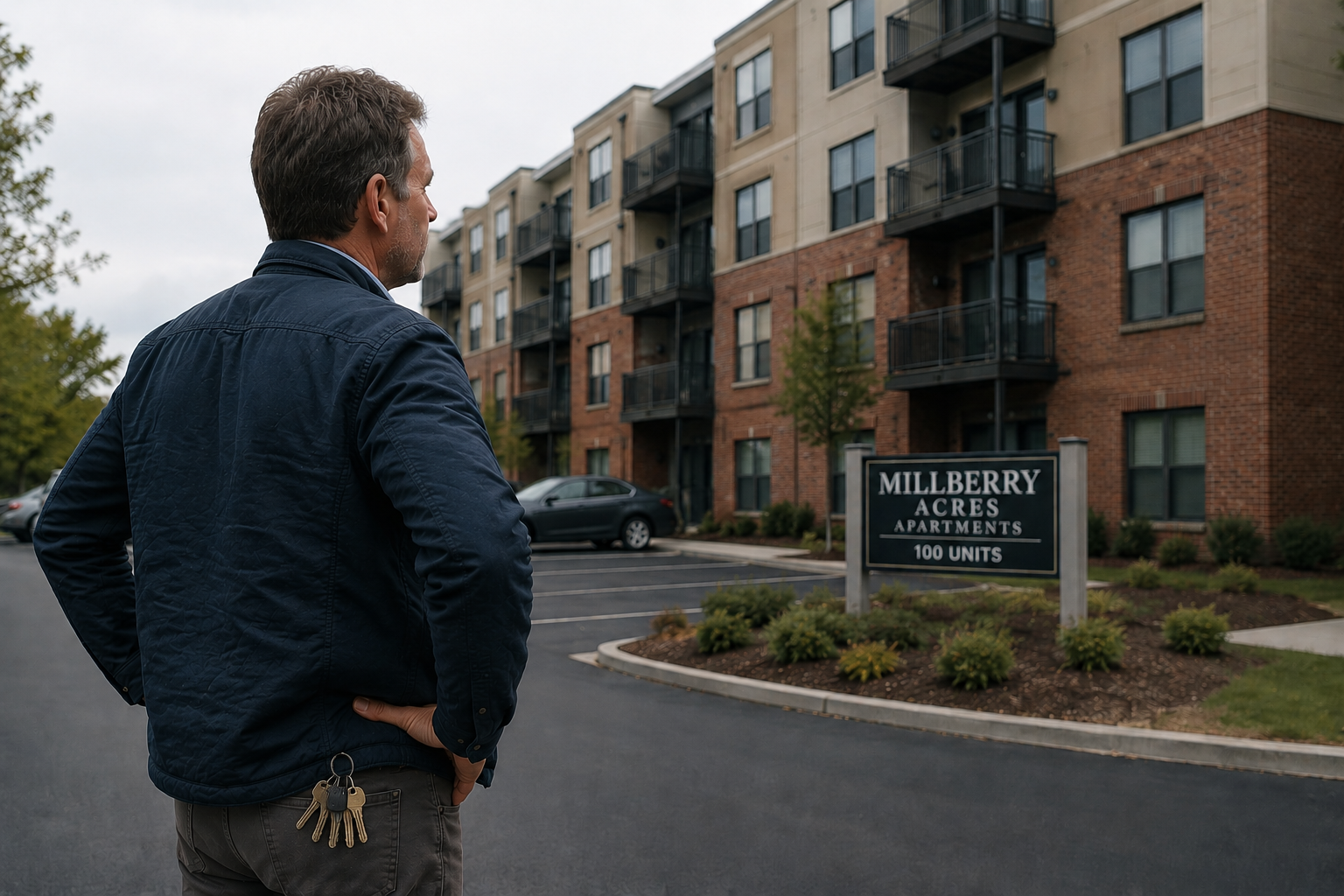
For decades, rental housing providers have played a vital role in maintaining affordable housing, revitalizing neighborhoods, and providing homes for millions of residents. But during and since the pandemic, many landlords feel they are operating under increasing political, legal, and financial pressure, unlike anything seen in recent history. In short, they feel attacked.
The modern landlord is no longer simply managing tenants, repairs, taxes, and mortgages. Today’s housing providers must also navigate expanding local ordinances, evolving federal edicts, tenant-activist-driven legislation, rising insurance costs, lagging court procedures, aggressive code enforcement, and a growing public hostility toward private property ownership itself.
At the same time, many local governments continue to adopt policies that discourage investment in rental housing while simultaneously demanding more affordable housing inventory. Yes, this makes even less sense than it reads.
The result is a growing imbalance that threatens small and independent housing providers across Michigan and Ohio.
Housing is a Right and It’s a Landlord’s Responsibility to Open the Door
While landlord-tenant law remains primarily governed at the state and local levels, federal policy trends are increasingly shaping local activism and legislation.
Much of the current momentum stems from the national “housing as a human right” movement, which has accelerated since the pandemic-era eviction moratoriums. Advocacy organizations across the country continue pushing for expanded tenant protections, rent stabilization, eviction restrictions, and publicly funded tenant legal defense programs.
One proposal frequently referenced by activist groups is the broader “Renters Rights” movement, which includes initiatives such as:
- Expanded tenant notice requirements
- Greater restrictions on evictions
- Mandatory repair timelines
- Relocation compensation
- Increased tenant legal protections
- “Right to counsel” programs
- Rent “stabilization” and supposed anti-price-gouging measures
- A limit on the ability to pre-qualify prospective tenants
- Expanded protections based on source of income, credit history and legal and criminal history
While versions of these policies vary by jurisdiction, the movement has gained traction in cities and states, including:
- California
- Illinois
- New York City
- Seattle
- Boston
- Portland
- Minneapolis
Fair Housing: A Constantly Moving Target
Another growing pressure point for landlords has been the continual expansion and reinterpretation of fair housing rules at the federal, state, and local levels. What was once a relatively straightforward compliance issue has evolved into a constantly moving target involving source-of-income protections, emotional support animal accommodation requirements*, criminal background screening limitations, language access expectations, advertising restrictions, occupancy standards, and increasingly aggressive enforcement by advocacy groups and municipalities.
In cities throughout the country, landlords now face differing local ordinances layered on top of federal Fair Housing Act requirements, creating a patchwork of regulations that can expose even well-intentioned property owners to significant legal risk. Policies that were considered acceptable just a few years ago may now trigger discrimination complaints, investigations, or litigation. Many housing providers argue that the pace of these changes, combined with inconsistent guidance from regulators and tenant activist pressure campaigns, has made compliance more complex, expensive, and uncertain than ever before.
A Need for Balance
Reasonable tenant protections matter. Safe housing matters. Accountability matters.
But sustainable housing policy must also recognize economic reality. Rental housing providers cannot continue to absorb expanding regulatory burdens, rising operational costs, delayed enforcement, and growing legal exposure without consequences for housing supply itself.
You now stand at an important crossroads. The question is no longer whether landlord regulation is increasing. The question is actually whether policymakers can strike a balance that protects tenants without driving housing providers out of the market entirely.
For landlords across the Midwest, that answer may determine the future of affordable rental housing itself.
While we work tirelessly every day to handle your legal needs, Paletz Law is also working every day to advocate for your rights. Making frequent appearances in the media to represent the landlord side of issues affecting their business. We also work with legislators, local officials and the courts. As one of the Midwest’s largest Landlord-Tenant law firms, Paletz Law will not just keep you informed on this constantly evolving political landscape but also share common-sense legal advice on how you can navigate this exceptionally volatile rental landscape and thrive as a business. Whether you operate a large multi-family rental complex or a small manufactured housing community, Paletz Law will be at your side.
In the Paletz Law July Newsletter, we will bring you part two of this article, which looks specifically at how changes to local laws in Ohio and Michigan have affected landlord and rental housing operations.
*New HUD ESA Enforcement Guidance AS-Trainor-Enforcement-Guidance-Assessing-Requests-for-the-use-of-an-animal-as-a-reasonable-accommodation-under-the-fair-housing-act.pdf
Speak with a Paletz Landlord
Advocate Today